Your Digital Vision, Switched On.
My Web Switch

- +63 9194340304
- Info@mywebswitch.com
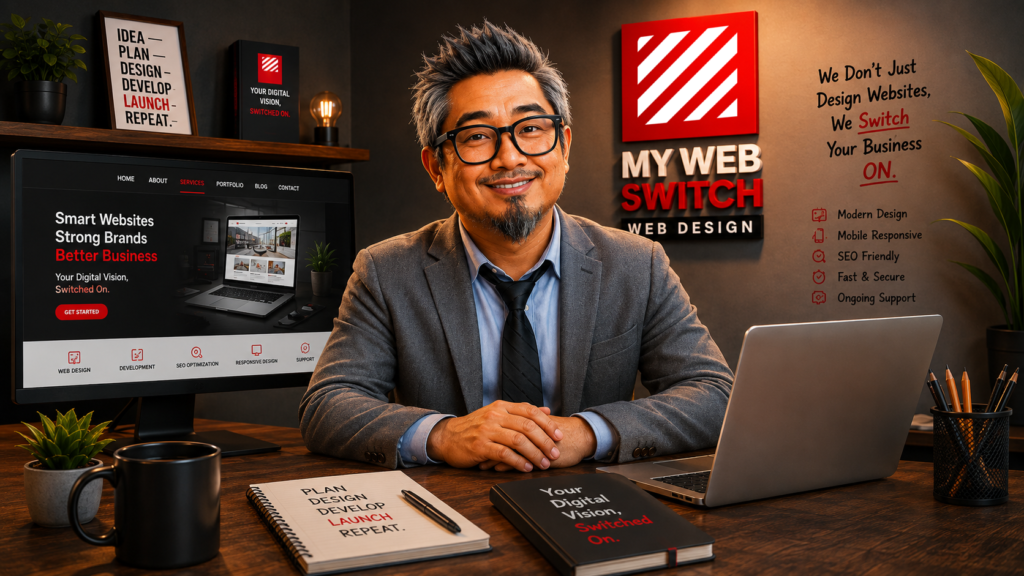
I’m a Freelancer, a web designer from Philippines specializing in modern, clean websites. I’ve created more than 100+ websites and worked with few clients as a freelancer, including some of Philippines small to big businesses. My work combines thoughtful UI/UX, creative interactions, and Elementor to create digital experiences that stand out.
- 100+ — Websites Built
- 22+ Years — Experience
- Specialized In — Adobe Photoshop, Elementor, Virtual Tours, Cpanel, MySql, Php, Panoee, HTML, CSS, JS & UI/UX

Web Design
Creator
+75.000 subscribers
I create videos that make modern web design easier to understand and build. Through tutorials, creative techniques, and real projects, I help designers create better websites with Elementor.
- 5M+ — Views
- 75K+ — Subscribers
- 40+ — Videos

Template Club
Unlock Your Best Work Yet
I have a library of premium templates created specifically for Elementor designers. Built to help you work faster, create better websites, and deliver work you’re genuinely proud of.
- Members — 1,400+
- Templates — 50+
- Built For — Elementor Designers

Template Club
Unlock Your Best Work Yet
I have a library of premium templates created specifically for Elementor designers. Built to help you work faster, create better websites, and deliver work you’re genuinely proud of.
- Members — 1,400+
- Templates — 50+
- Built For — Elementor Designers

Virtual Tour
Unlock Your Best Work Yet
I have a library of premium templates created specifically for Elementor designers. Built to help you work faster, create better websites, and deliver work you’re genuinely proud of.
- Members — 1,400+
- Templates — 50+
- Built For — Elementor Designers
My work
Over the years, I’ve had the opportunity to design and develop websites for hundreds of clients across a wide range of industries, from small businesses and startups to established organizations and professional brands. Each project has allowed me to explore new ideas, solve unique design challenges, and create digital experiences that are both visually engaging and functional.
The portfolio below features a selection of my previous work, highlighting my approach to modern web design, creative visual interactions, intuitive navigation, responsive layouts, and thoughtful user experiences. I focus on understanding each client’s goals, audience, and brand identity before transforming those ideas into websites that are not only attractive but also easy to use, accessible across devices, and designed to deliver meaningful results.
From creative concepts and UI/UX design to website development and optimization, every project reflects attention to detail, innovation, and a commitment to creating digital experiences that help businesses strengthen their online presence and connect with their customers.
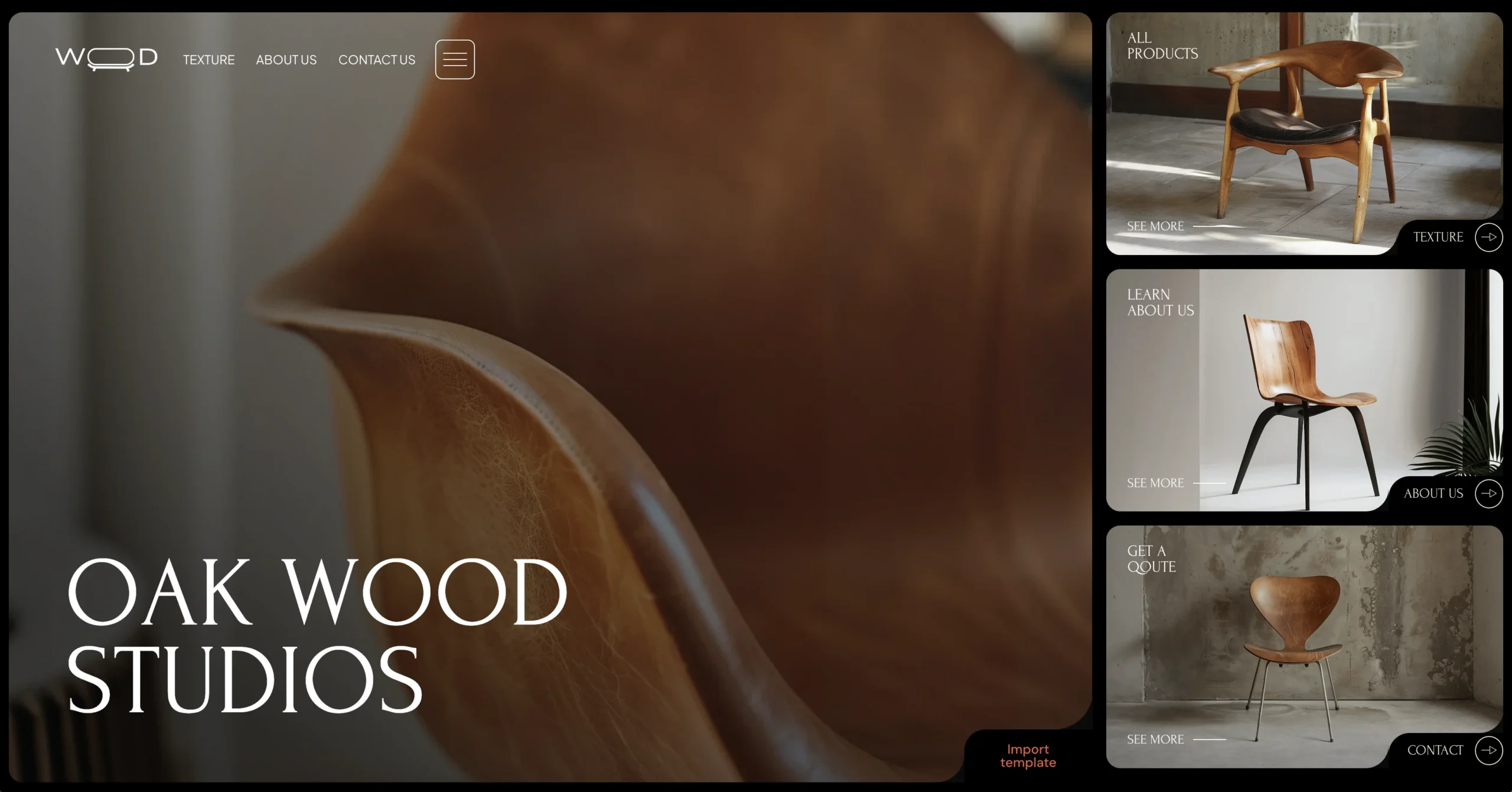
The studio needed a single, quiet system that could carry everything from signage to a booking flow. We started with a written positioning, then built a small type and colour system around it and tested it on the pages that matter most.
The result is a site that stays out of the way: generous white space, one accent, and photography given room to breathe. Every template was handed over as an editable set of components.
- Year — 2025
- Service — Brand identity, web design
- Client — Northwind Studio
- Location — Copenhagen, DK
Add title here
A closer look at the idea, process and final result behind this project.

An editorial platform for a small research team publishing long-form field work. The brief was legibility first: a reading experience that holds up at 400 words or 4,000, on any screen.
We designed a modular article system — pull quotes, figure captions, footnotes and image grids — and paired it with an index that makes older issues easy to find.
- Year — 2025
- Client — Field Notes
- Service — Art direction, editorial design
- Location — Berlin, DE

Add titel here
A closer look at the idea, process and final result behind this project.

Atlas runs seasonal retreats in four countries and needed one place to explain them. We mapped the booking journey, cut the number of steps in half and rebuilt the pages around a single decision: which space, which week.
The design system ships as a documented component library, so the team can add a new location without a designer in the room.
- Year — 2024
- Service — Website, design system
- Client — Atlas Retreats
- Location — Lisbon, PT

Add titel here 04
A closer look at the idea, process and final result behind this project.
Atlas runs seasonal retreats in four countries and needed one place to explain them. We mapped the booking journey, cut the number of steps in half and rebuilt the pages around a single decision: which space, which week.
The design system ships as a documented component library, so the team can add a new location without a designer in the room.
- Year — 2024
- Service — Website, design system
- Client — Atlas Retreats
- Location — Lisbon, PT
Add titel here 05
A closer look at the idea, process and final result behind this project.
Atlas runs seasonal retreats in four countries and needed one place to explain them. We mapped the booking journey, cut the number of steps in half and rebuilt the pages around a single decision: which space, which week.
The design system ships as a documented component library, so the team can add a new location without a designer in the room.
- Year — 2024
- Service — Website, design system
- Client — Atlas Retreats
- Location — Lisbon, PT